10 Reasons Your Shopify Ads Are Not Scaling (And How to Finally Break the Plateau)
Hit a ceiling on Shopify ad spend? From creative fatigue to ROAS traps and cross-channel blind spots — the 10 reasons brands plateau and how to break through.
Harrison
Founder & Director, Off Leesh
Scaling a Shopify brand is one of the most rewarding journeys an entrepreneur can take. You have done the hard work of getting your store off the ground, found your product-market fit, and hit that exciting $10,000 to $50,000 monthly revenue bracket. But as many founders discover, the path from $50k to $250k+ and beyond often feels like hitting an invisible ceiling.
If your ad performance has flattened out, it is actually a sign that your brand is ready for its next stage of evolution. A plateau is not a stop sign. It is an invitation to refine your systems and embrace a more sophisticated, data-driven approach.
At Off Leesh, we specialise in helping ecommerce brands navigate this exact transition. With millions in revenue generated and an average revenue lift of +126%, we have identified the most common opportunities for growth. Here are 10 reasons your Shopify ads might be plateauing and how you can break through to the next level.
1. Your Creative Strategy Needs a Fresh Spark
In the world of modern performance marketing, your creative is your most important lever. If you have been running the same sets of ads for months, your audience has likely become overly familiar with them. This is what we call creative fatigue.
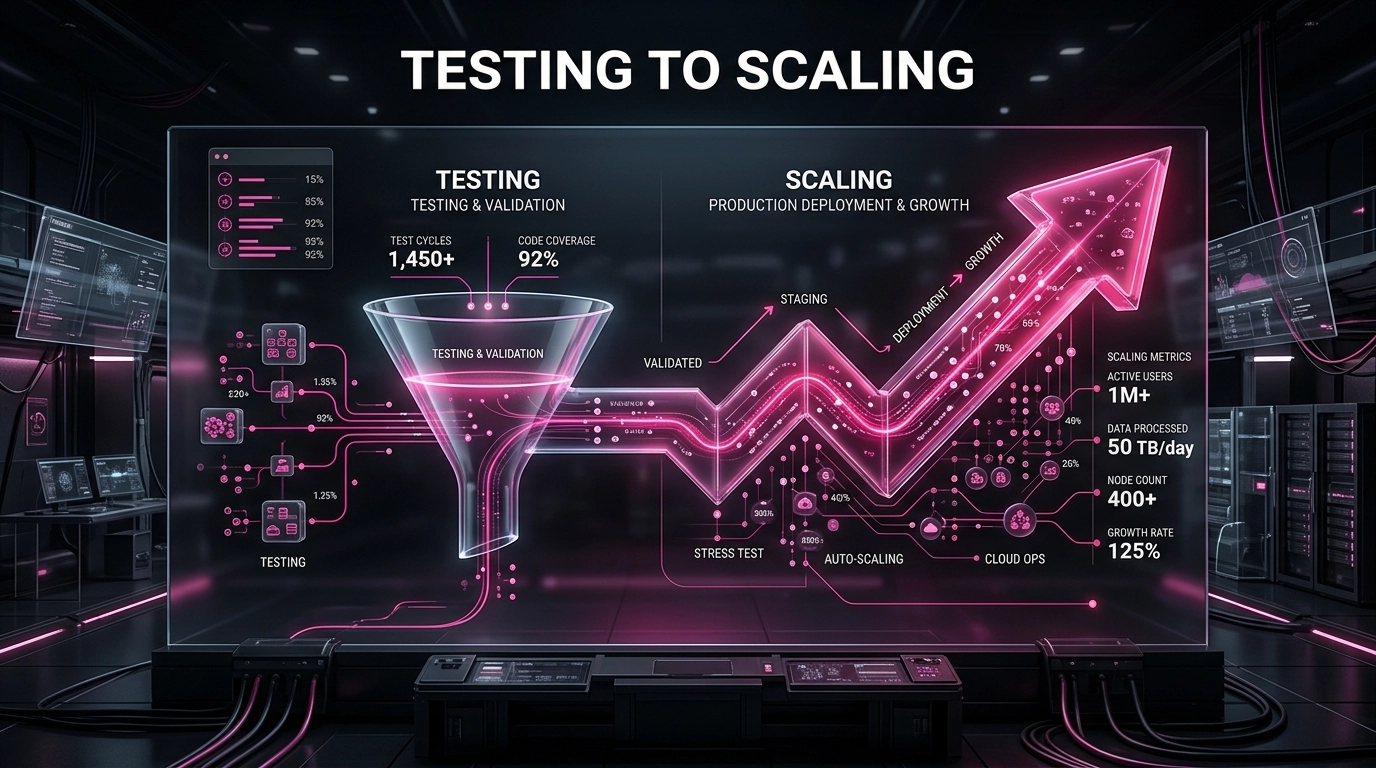
The solution is not just more ads. It is a structured creative strategy. By implementing a rigorous testing-to-scaling methodology, you can continuously identify new winning angles, visual styles, and hooks. This keeps your brand fresh and allows you to discover which messages resonate most as you reach broader audiences.
2. You Are Relying Too Heavily on a Single Channel
Many brands find their initial success on Meta (Facebook and Instagram). However, relying solely on one platform limits your reach and leaves you vulnerable to algorithm shifts.
To break the plateau, it is time to embrace cross-channel growth. Integrating Google Ads for ecommerce, specifically Google Shopping and Performance Max, allows you to capture high-intent shoppers who are actively searching for your products. This multi-touchpoint approach creates a compounding effect where your Meta prospecting fuels your Google search volume, and vice versa.
3. Your Data Is Not Telling the Whole Story
As you scale, the gap between what you see in your ad manager and what is actually happening on Shopify can widen. Privacy updates and tracking changes mean that standard reporting often misses a significant portion of your conversions.
This is where AI-powered real-time analysis becomes a game-changer. By using advanced tools to catch performance drops and identify winning audiences across all platforms simultaneously, you gain the clarity needed to make confident scaling decisions. Instead of guessing, you are operating with a data-driven command centre view of your entire business.

4. Your Average Order Value Needs a Boost
Sometimes the ad problem is actually an offer problem. If your customer acquisition cost (CAC) is rising as you scale, you need to ensure each customer is worth more to your business.
Look for opportunities to increase your average order value through bundles, tiered discounts, or post-purchase upsells. When you increase the value of every transaction, you give your ads more room to operate, allowing you to remain profitable even as you enter more competitive bidding auctions. This is a core part of achieving the 4.8x average ROAS our clients maintain.
5. You Are Missing Out on Performance Max Optimisation
Google's Performance Max (PMax) is a powerful tool, but it is not a set-and-forget solution. Many brands plateau because their PMax campaigns are not properly structured or lack high-quality creative assets.
Effective Performance Max optimisation involves feeding the AI the right signals: high-quality audience lists, specific product groupings, and compelling video and image assets. When PMax is fine-tuned, it becomes a powerful engine for finding new customers across YouTube, Gmail, Search, and Display.
6. Your Testing Cycle Is Too Slow
Speed is a competitive advantage. If it takes weeks to launch a new campaign or test a new idea, you are missing out on valuable data.
At Off Leesh, we get ads live within 7 days of onboarding. By shortening your testing cycle, you can remove underperformers faster and double down on winners with more agility. This data-first mindset ensures your budget is always flowing toward the highest-performing opportunities.
7. You Have Stopped Prospecting for New Audiences
It is tempting to keep pouring money into retargeting because the ROAS looks strong. However, retargeting alone cannot scale a brand. You eventually run out of people to retarget.
To break through, you must prioritise Meta prospecting and broad audience targeting. Using AI to identify winning lookalike audiences and interest groups ensures you are constantly filling the top of your funnel with new potential customers. Today's new visitor is tomorrow's loyal customer.
8. Your Landing Page and Ad Are Not Aligned
You might have the best ads in the world, but if your website creates friction, your conversion rate will suffer. Scaling requires a seamless journey from the first click to the final checkout.
Ensure your landing pages are optimised for mobile, load quickly, and directly reflect the promise made in your ad creative. Small improvements to your product page, such as clearer social proof, more detailed shipping information, or high-quality UGC (User Generated Content), can have a significant impact on your overall profitability.
9. You Are Not Leveraging Your Winner Data
When you find a winning ad or a high-converting audience, do you know why it worked?
Scaling is not just about spending more. It is about understanding the why and replicating that success. By scoring your creative before spending and using AI to analyse performance trends, you can remove the guesswork from the scaling process. This is what drives the profitable, compounding growth that moves a brand from $100k to $250k+ per month.

10. You Need a Partner, Not Just a Vendor
The final reason many Shopify brands plateau is that they have outgrown their current agency model. If you are receiving generic reports and seeing guesswork in your account, it is time for a more sophisticated partnership.
As certified partners with Google, Meta, and Shopify, we act as an extension of your team. You will work directly with expert strategists who know your name and your business. We only work with brands we know we can scale, with a focus on transparency and real-world results. Find out more about how we work.
Ready to Break Your Scaling Plateau?
If you are a Shopify brand owner doing between $10k and $250k+ per month and you are ready for a partnership that prioritises data over fluff, we would love to help.
We offer a Free Account Audit and Strategy Session where we dive deep into your current performance and show you exactly where the opportunities for growth are hiding. No guesswork. Just a clear roadmap to your next revenue milestone.
Join the brands that have generated millions in revenue with Off Leesh. No leesh. No limits. Just results.
Want results like this for your brand?
We run Google and Meta ads for ecommerce brands doing $10k–$250k+/month. Month-to-month, no lock-in, direct access to your strategist.